Love in Every Line: Using Romantic Wedding Art for Couples 120
There is a specific kind of warmth that radiates from a well-drawn cartoon couple—the tilt of a head, a shared glance, a hand held just so. It is an instant emotional shortcut. When you are building a brand or crafting a personal project around love, marriage, or partnership, you need visual assets that do more than just sit on the page; you need them to speak. This is where the charm of character-driven design comes into play, offering a narrative depth that standard typography or abstract shapes often miss.
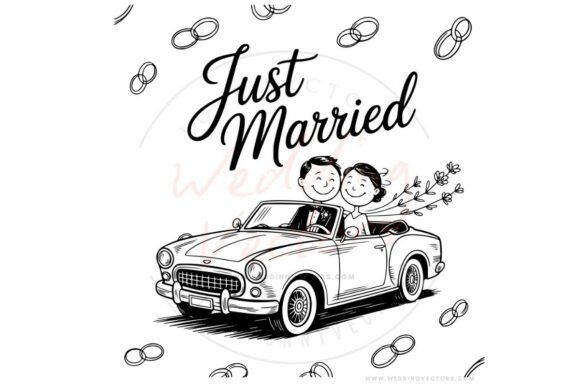
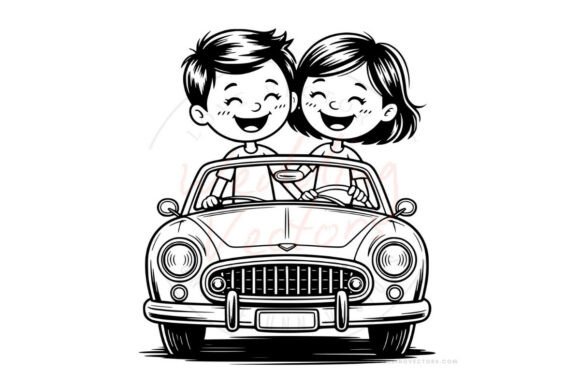
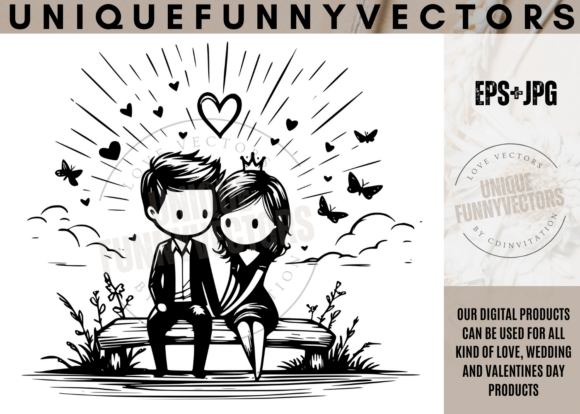
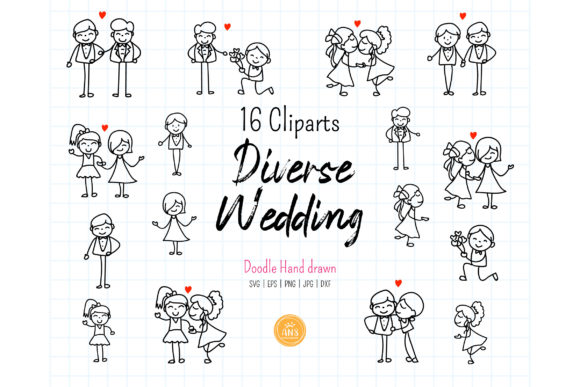
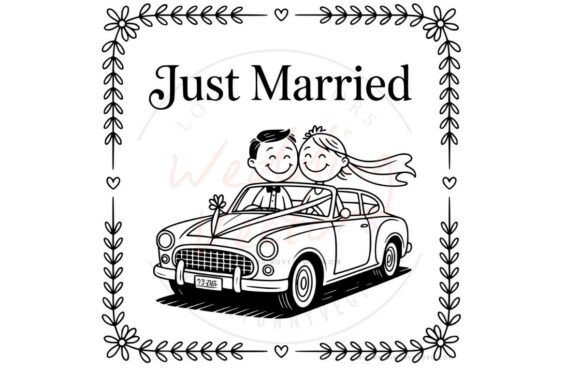
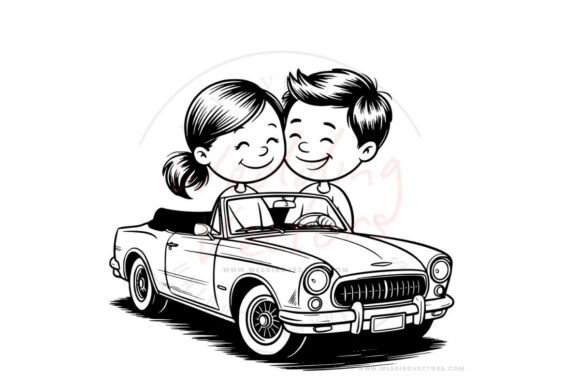
The collection known as Romantic Wedding Art for Couples 120 is less of a static asset library and more of a storytelling toolkit. It presents a hundred and twenty distinct variations of love-filled, stylized characters designed to embody the full spectrum of romance. But how do you take these adorable designs and apply them to professional branding, merchandise, or high-end stationery without it looking juvenile? The secret lies in understanding the versatility of the art style and recognizing that "cute" does not mean "unprofessional." In fact, in a market saturated with sterile minimalism, a touch of personality can be your strongest brand differentiator.
Beyond the Wedding Album: Strategic Branding for Modern Businesses
When we hear "wedding art," our minds often jump immediately to invitations and cake toppers. While these are obvious and excellent applications, limiting this style to just the ceremony itself is a missed opportunity for business owners and designers. The aesthetic of Romantic Wedding Art for Couples 120—which balances whimsy with a clean, illustrative style—lends itself beautifully to broader commercial ventures.
Consider the wellness or lifestyle sector. A dating app, a couples counseling service, or a lifestyle blog focused on relationships needs imagery that is approachable and non-intimidating. Using these characters in social media graphics or website headers instantly signals to the user that the space is safe, friendly, and focused on connection. For a small business owner selling personalized goods, these illustrations transform standard merchandise into keepsakes. Imagine a coffee mug or a throw pillow featuring a couple that looks like the customer—it moves the product from a generic item to a sentimental gift.
The Power of the Personalized Narrative
In the current "creator economy," personalization is king. We are moving away from mass-produced uniformity and toward items that tell a specific story. This is where the variety within the 120-design set becomes a massive asset. You aren't stuck with one generic pose. You likely have access to different heights, hairstyles, outfits, and interactions.
For the entrepreneur, this allows for a "mix and match" inventory strategy. You can create product lines for different relationship milestones:
- Engagement Announcements: Using characters with a "proposal" dynamic for digital cards or printed save-the-dates.
- Anniversary Collections: Selecting characters that look a bit more established or perhaps stylized differently to represent timelessness for milestone anniversary cards.
- Everyday Romance: Using the art for "just because" gifts, such as custom keychains or stationery, targeting customers who want to celebrate love outside of major holidays.
This approach allows you to build a cohesive brand identity that evolves with your customer’s journey. It’s not just about selling a wedding invite; it’s about selling the visual representation of their love story.
Design Execution: Elevating the "Cute" to "Chic"
One of the biggest hurdles designers face when working with character-based assets is maintaining a sophisticated edge. You want the warmth of the cartoon, but you don't want the final product to look like a flyer for a children's birthday party. The key to making Romantic Wedding Art for Couples 120 work in high-end contexts lies in the surrounding design elements—specifically typography and layout.
Because the illustrations are character-driven, they are inherently busy and detailed. To create a balanced composition, you need to pair them with typefaces that offer contrast. Avoid overly decorative or "scripty" fonts that compete with the illustration's outlines. Instead, opt for clean serif fonts for a timeless, editorial look, or geometric sans-serif typefaces for a modern, airy feel.
Practical Application in Packaging and Merchandise
If you are looking to create physical products, the scalability of these vector-based assets is crucial. Whether you are screen-printing on bridal party hoodies or engraving designs onto custom ring boxes, the lines need to remain crisp.
For Print Materials: When designing wedding programs or menus, use the characters as spot illustrations rather than background watermarks. Place them in the footer or as a divider between sections. This keeps the layout professional while adding that necessary touch of personality.
For Digital Assets: In the realm of social media, consistency is vital. These characters can serve as the "mascots" of your brand. Use them as stickers on Instagram stories or as profile avatars for wedding hashtags. Because there are 120 options, you can rotate them frequently to keep content fresh without breaking your visual style guide.
Color Theory and Mood Setting
While the line art provides the structure, the color palette provides the emotion. The versatility of this art collection lies in its ability to be re-colored to match specific brand guidelines or wedding themes.
If you are designing for a rustic autumn wedding, you can easily apply a palette of burnt oranges, deep burgundies, and sage greens to the characters' attire and backgrounds. Conversely, for a modern minimalist brand, rendering the characters in monochromatic grayscale or a single pop color (like a signature brand blue) can integrate them seamlessly into a corporate aesthetic.
This flexibility allows you to use the same base asset for completely different clients or product lines. A single couple illustration can look vintage and nostalgic with sepia tones, or fresh and contemporary with pastel gradients. This adaptability makes the collection a sound investment for designers who need to serve a diverse client base.
The "Human Element" in Digital Spaces
We are spending more time than ever in digital environments. Websites, apps, and emails can often feel cold and transactional. Introducing hand-drawn, romantic illustrations is an effective way to inject humanity into digital touchpoints.
For web designers, consider using these characters as "empty state" illustrations. When a user’s cart is empty or they have no notifications, displaying a charming couple illustration softens the user experience. It’s a subtle psychological cue that says, "We care about your experience here."
Furthermore, for content creators and bloggers, these images break up text-heavy pages. Long-form content about relationships, wedding planning, or lifestyle advice can be daunting to read. Interspersing the article with relevant, love-themed art keeps the reader engaged and visually anchors the concepts you are discussing.
Final Thoughts on Versatility
The true value of a comprehensive asset like Romantic Wedding Art for Couples 120 is not just in its aesthetic appeal, but in its utility. It solves the problem of "generic stock imagery" by offering something with character and soul. Whether you are a crafter selling on Etsy, a marketing professional building a campaign for a jewelry brand, or a bride planning her stationery suite, these illustrations provide a canvas for emotion.
By focusing on smart color application, complementary typography, and strategic placement, you can leverage these designs to create products and content that don't just look good—they feel right. In a world of pixels and text, a little bit of hand-drawn love goes a long way.